

Our Blog And Articles
Two decades of excellence in industrial safety solutions, protecting professionals across the globe.
Why Local Manufacturing Is the Smarter Choice for Saudi Businesses
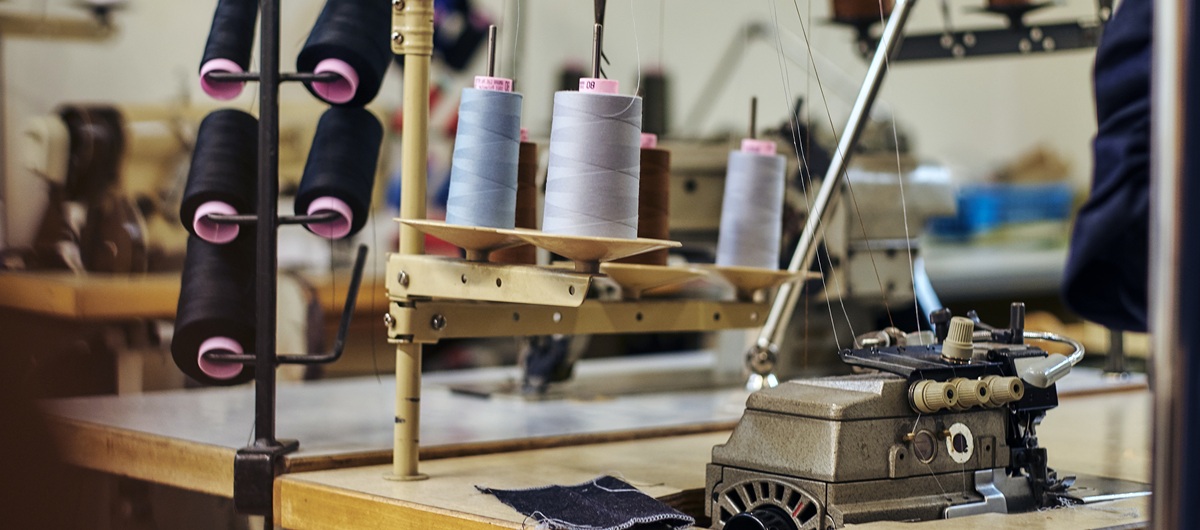
In today’s fast moving, highly competitive market, businesses in Saudi Arabia are under growing pressure to deliver products faster, maintain consistent quality, and remain cost effective. Traditionally, many companies relied heavily on importing finished goods from foreign suppliers. While this model has worked well, it is increasingly challenged by long lead times, supply chain disruptions, rising freight costs, and limited quality control. As a result, local manufacturing is emerging as a more innovative, more resilient alternative for Saudi clients, offering significant advantages in reduced lead times and improved product quality.
The Challenge with Importing Finished Goods
Importing finished goods typically involves complex supply chains that involve multiple stages. Products often travel large distances, passing through numerous ports, customs checkpoints, and distribution hubs before reaching the end customer. Each step introduces delays, risks, and costs.
Global shipping disruptions, port congestion, geopolitical tensions, and fluctuating freight rates have made delivery timelines unpredictable. For Saudi businesses, these delays can lead to stock shortages, missed market opportunities, and dissatisfied customers. Additionally, longm distance manufacturing limits real time communication with suppliers, making it challenging to implement quick design changes, quality checks, or corrective actions particularly when issues arise.
Local Manufacturing and Faster Lead Times
One of the most significant benefits of local manufacturing is the dramatic reduction in lead times. Producing goods closer to the Saudi market by companies like Loomtex eliminates long international transit periods and reduces dependency on global shipping schedules.
With local or regional manufacturing, production cycles become shorter and more flexible. Saudi clients can move from design approval to production and delivery in a fraction of the time required for imported finished goods. This speed is especially critical in industries such as textiles, apparel, construction materials, and consumer goods, where market demand can shift rapidly.
Faster lead times also allow businesses to operate with leaner inventories. Instead of overstocking to compensate for long shipping delays, companies can adopt just in time production models, reducing storage costs and minimizing the risk of obsolete inventory.
Greater Control Over Quality
Quality control is another vital area where local manufacturing outperforms imported finished goods. When production happens in a foreign land, quality inspections are often limited to final stage checks or third party audits. If defects are discovered after shipment, resolving them can prove to be costly and time consuming.
Local manufacturing by companies like Loomtex allows Saudi clients to maintain direct oversight throughout the production process. Frequent site visits, in process inspections, and closer collaboration with manufacturers ensure that quality standards are met at every stage. Issues can be identified and corrected immediately, rather than after products have already been shipped.
Moreover, local manufacturers are better positioned to understand regional standards, customer expectations, and regulatory requirements. This alignment leads to products that not only meet technical specifications but also perform better in local conditions, such as climate, usage patterns, and cultural preferences.
Improved Flexibility and Customization
Importing finished goods often requires committing to large production volumes far in advance. This limits flexibility and makes customization difficult. Any design change or specification update usually involves restarting the production cycle, leading to additional delays and costs.
Local manufacturing by Loomtex offers far greater adaptability. Saudi clients can request smaller batch sizes, frequent design updates, and customized solutions without significantly disrupting production schedules. This flexibility is particularly valuable for businesses serving diverse customer segments or launching new products that require market testing.
Reduced Risk and Greater Supply Chain Resilience
Relying heavily on imported finished goods exposes businesses to a range of external risks, including shipping delays, trade policy changes, currency fluctuations, and global crises. Local manufacturing by Loomtex helps mitigate these risks by shortening and simplifying supply chains.
By sourcing and producing closer to home, Saudi clients gain greater predictability and stability. Regional manufacturing ecosystems also support faster recovery in the event of disruptions, ensuring business continuity and consistent customer supply.
This resilience aligns closely with Saudi Arabia’s broader economic goals, including localization, industrial growth, and supply chain independence.
Supporting Sustainability and Cost Efficiency
Local manufacturing by Loomtex is not only faster and more reliable but also more sustainable. Shorter transportation distances significantly reduce carbon emissions associated with long haul shipping. For companies with sustainability targets, this reduction is vital to meeting environmental commitments.
From a cost perspective, local manufacturing helps control expenses by minimizing freight costs, customs duties, and inventory holding expenses. While unit production costs may sometimes appear higher than foreign alternatives, the overall cost savings achieved through reduced delays, lower risk, and improved quality often outweigh the difference.
A Smarter Path Forward for Saudi Clients
As global supply chains continue to face uncertainty, local manufacturing by Loomtex offers Saudi clients a more innovative, faster, and more quality driven alternative to importing finished goods. By reducing lead times, enhancing quality control, increasing flexibility, and improving supply chain resilience, local production supports long term business growth and customer satisfaction.
For Saudi companies looking to remain competitive in a rapidly evolving market, shifting toward local manufacturing is no longer just an operational decision; it is a strategic advantage that delivers measurable results today and sustainable value for the future.
Related Articles
With decades of hands on experience across manufacturing, design, and field deployment, our team understands what different industries truly need. We don’t just supply uniforms we deliver smart, functional solutions backed by real world insight.
-

Building a Responsible Textile Future in Saudi Arabia
Sustainable textile manufacturing is a continuous journey
-

How Turkey and Saudi Arabia Are Shaping the Next Generation of Textile Supply Chains
Strengths of the Turkey Saudi Arabia textile ecosystem lies in functional specialization
-

Why Loomtex Stands Out as a Global Textile Manufacturer?
Loomtex combine our expertise and years of hands on industry experience
-

Why Saudi Firms Are Choosing Local Textile Manufacturing over Imports?
Factors Contributing to the Preference of Local Textile Manufacturing in Saudi Arabia
-

Vital Information on Saudi Government and Corporate Textile Standards
Meeting Saudi Government and Corporate textile standards
-

Behind the Scenes of Our Textile Manufacturing in Saudi Arabia
Local manufacturing in Saudi Arabia improves delivery reliability